Eat this, don’t eat that — when you’re pregnant, it seems everyone has advice on what you should and should not munch on. Here, simple guidelines from the experts to help you choose what to eat.
Healthy eating for when you are pregnant
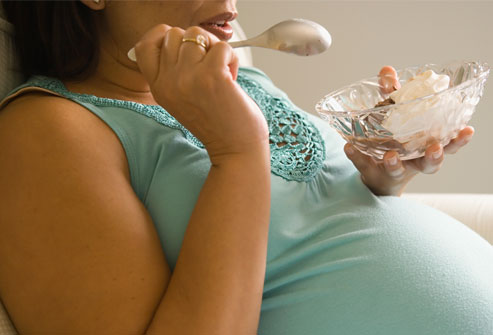
Pregnancy is such an exciting time, but also a time when you can feel quite overwhelmed by what people say you should, or should not, be doing.
Hopefully this article will reassure you about healthy eating during pregnancy, providing you with information, advice and suggestions in small ‘bite sized’ pieces!
What you eat not only influences your own health but it can also affect the short and long term health of your baby, so it’s worth taking a bit of time to think about it.
You should still eat a healthy diet based on the food pyramid; at least 6 portions of starchy foods (bread, cereal, pasta and rice), 5 servings or more of fruit and vegetables, 2-3 portions of meat, fish and other protein sources, and 5 portions of dairy products such as milk, yoghurt and cheese. There are also a few nutrients that need particular attention when pregnant.
DO
• Do take at least 400 micrograms of folic acid a day while you’re trying to get pregnant and during the first 12 weeks of pregnancy. Important Irish research has shown that folic acid reduces the risk of your baby being born with a neural tube defect such as spina bifida. Folic acid tablets are widely available from chemists and supermarkets nationwide. Don’t worry if you get pregnant unexpectedly and were not taking folic acid supplements. Start taking them, as soon as you find out, until the end of the 12th week of pregnancy. As well as taking your folic acid supplement include plenty of foods rich in folate (the natural form of folic acid) such as green leafy vegetables, fruit and wholegrains. Remember though, these don’t take the place of folic acid tablets.
• Do make sure you take enough calcium containing foods. Milk and other dairy products (e.g. yoghurt, hard cheese) provide calcium which your baby needs for its developing bones. Take 5 portions of dairy foods a day. A portion is any of the following:
• 1/3 of a pint of milk or
• 1 carton of yogurt or
• 1 oz of cheese
Remember, milk used on cereal or in cooking such as white sauce, do count. To prevent excess weight gain, choose low fat or skimmed varieties of dairy products as they have just the same amount of calcium as the higher fat alternatives.
• Do make sure you get enough vitamin D as it is needed during pregnancy for the bones of you and your baby. Your body makes vitamin D from exposure to sunlight. If you have dark skin or always cover your skin, you may be at particular risk of vitamin D deficiency and need to take a 10-microgram supplement of vitamin D each day.
• Do make sure you don’t get anaemic. Iron is especially important in pregnancy to make the increasing amount of blood you will be making for you and the baby. If you eat meat, try to include lean red meat four or five times per week. Your midwife can advise you whether you need to take an iron supplement.
DON’T
x Don’t drink alcohol! When you drink alcohol it passes to your baby through the placenta. Too much exposure to alcohol can seriously affect your baby’s development.
x Don’t take supplements containing vitamin A during your pregnancy as too much vitamin A can be harmful to your baby. Multivitamins and fish liver oils such as cod liver oil should be avoided as should liver or products that contain it, such as paté, as liver contains a lot of vitamin A.
x Don’t eat for two! Many women get confused about how much weight gain is healthy during pregnancy. Be guided by your appetite and if you feel hungry between meals, choose a healthy snack such as fruit, yoghurt or a bowl of cereal. A lot of women in Ireland go into pregnancy overweight or obese and this can lead to problems for the pregnancy and in the amount of intervention required during labour as well as your ability to get back on your feet quickly afterwards. It’s really worth trying to get into shape before you get pregnant or at least make sure not to put on excessive weight during pregnancy. However it is not advisable to try to lose weight during pregnancy, as this can affect your baby’s weight and may stop you from getting all the nutrients that you both need. A healthy weight gain for a pregnancy is 2 stone but for those who are overweight going into pregnancy it might be sensible to keep pregnancy weight gain to about 1 stone (about 6kg).
x Don’t drink excessive caffeine. Caffeine found in tea, coffee, energy drinks and chocolate can also have an effect on your baby if you take too much. A good idea is to try to take decaffeinated versions of tea, coffee and cola for the first 3 months of pregnancy and then not more than one or 2 cups of caffeine containing drinks a day thereafter.
Tips for eating safely when pregnant
When pregnant there are certain foods that you should avoid to minimise the chance of you getting a foodborne illness that could affect you and your baby.
• Cook eggs thoroughly until the whites and yolks are solid. Avoid any foods that contain raw or lightly cooked eggs, such as home-made mayonnaise, sauces and puddings.
• Make sure that all meats are cooked thoroughly. This is especially important with poultry (such as chicken and turkey) and food made from minced meat (such as burgers and sausages).
• Wash fruit, vegetables and salads to remove all traces of soil.
• Heat ready meals until they’re very hot all the way through. This is especially important for meals that contain poultry.
• Avoid mould-ripened soft cheese, such as brie and camembert, or blue cheese. You can eat hard cheeses (e.g. cheddar, edam), cottage cheese, mozzarella, and processed cheese (such as cheese spread).
• Don’t eat any kind of paté, including vegetable paté, because it can contain listeria.
• To prevent illness during pregnancy it is important to observe good food hygiene. Make sure to thoroughly wash your hands, utensils and work surfaces after handling raw meat. It may contain bacteria, which can cause food poisoning.
Myths
Spinach isn’t high in iron! You are often advised to increase your iron intake during pregnancy, especially in the second trimester when your blood volume increases. Don’t be depending on spinach for your extra iron, many years ago when the nutritional content of spinach was published the decimal place was put in the wrong place and forever more people thought it was a brilliant source of iron! Neither is stout high in iron. Many years ago new mothers were encouraged to take a glass of Guinness. The best way to make sure you eat enough iron is to include lean red meat in your diet at least 3-4 times per week. If you are a vegetarian try to take a source of vitamin C such as an orange or kiwi with bread and cereals as it helps to absorb the type of iron found in these foods. Also try to cut down on your tea intake as the tannin in tea can reduce the absorption of iron from bread, cereal and vegetable sources.
Previously women were advised to avoid eating peanuts during pregnancy if there was a history of allergy (such as asthma, eczema, hay fever or food allergy) in their baby’s immediate family, but the latest research shows that there is no clear evidence that eating peanuts during pregnancy affects the chances of your baby developing a peanut allergy. If you have any queries, talk to your GP, Midwife or Public Health Nurse or gynecologist/obstetrician.
You don’t need to eat a lot more when you are pregnant. For the first 3 months in fact you don’t need any extra food, and for the remainder of your pregnancy you only need a small amount more than you would eat normally, , the amount you would get from a couple of slices of toast, or bowl of cereal. The best way is to be guided by your appetite.
There is no evidence that cravings during pregnancy are encouraging you to eat the nutrients you need, otherwise we would all be craving fruit and vegetables and not chocolate! Cravings are probably harmless unless they very much impact on your intake or you are craving to eat non-food stuffs in which case you need to speak to a health professional.