Category Archives: General Advice

Alternative Sports for Toddlers

FIGHTING aliens on the computer and watching cartoons on TV – just two of the favoured “activities” for today’s children.

But a study by drinks firm Capri-Sun has found parents are not happy about the amount of exercise their kids get. Almost 70 per cent believe other mums and dads are lazy when it comes to playing with their children.

Meet six active toddlers thrust into sport from a young age by their parents.

Oliver Milchard

FIGHTING-FIT Oliver goes to a toddler-specific martial arts class with dad Matt.

The 15-month-old loves learning the self-defence moves and even practises kick-boxing. Matt, a 39-year-old pantomime promoter, says it has really improved his son’s confidence.

Matt, who lives with Oliver’s mum Laura, 39, a dancer, in Greenwich, south-east London, says: I never wanted Oliver to sit in front of the telly for hours on end. Every Monday he spends half an hour getting a taste of some of the moves and protocol and, most importantly, has fun.The normal age to start toddler martial arts is three but the instructor let Oliver join in and he loves it. I’m sure it will stand him in good stead in the future.

Orlaith Langley

WHEN her mother Alice pulls the family car into the car park of the local gym, cute Orlaith’s eyes light up.

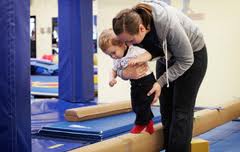
The 28-year-old full-time mum-of-two, who lives with husband, a community worker, in Basildon, Essex, takes her 11-month-old tot to gymnastic classes. Alice says: “Gymnastics is great for young children because they learn different skills and disciplines, from balance to posture and building confidence. “Orlaith loves the balance beam and she’s built her confidence with heights as she has learnt to jump into the foam pit. It teaches her to push herself past her comfort zone.

Leonardo Rodriguez

MUM Natalie takes 12-month-old Leonardo to hour-long salsa classes twice a week.

Her husband, a 34-year-old DJ, shares the view that dancing is great for encouraging young children’s imaginations.

Natalie, a 36-year-old language teacher from St Albans, Herts, says: “Ever since he was small, Leonardo has responded to music so he’d obviously heard it when I was pregnant.

Isabella Scott

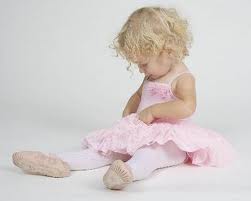
DRESSED in her pink tutu, two-year-old Isabella is ready for her ballet class.

Full-time mum Becca, 39, says daughter Isabella loves pointing her toes to the music and says the classes have turned her from a shy baby into a confident girl.

Becca, who lives with husband James, 41, an accountant, in Guildford, Surrey, says: “The tots’ ballet classes teach the girls how to act out a story through dance. She loves coming up with new actions and showing them to me.

Heidi Bulmer-Cooke

SPORTS-MAD two-year-old Heidi has been going to football and ballet classes since she was 18 months old.

Her mum , a 26-year-old personal trainer from Sunderland, thinks that sporty pastimes will help keep the toddler out of trouble.

She said: “I wanted Heidi to have a healthy focus that would keep her away from vices.My husband Simon and I always allow Heidi to say if she doesn’t want to go but she loves it.“She’s an only child so social interaction is great for her confidence, especially the football, where she is surrounded by boys.”

Cybele Napper

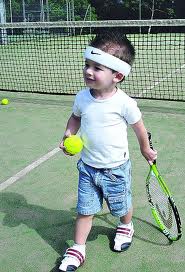
BUDDING tennis player Cybele hopes she will play at Wimbledon one day – even though she has just turned four.

Her mum Francesca, 41, a management consultant, and dad Howard, 53, a yoga teacher, started Cybele’s tennis lessons when she was two.

Mum-of-two , from Kensington, west London, says: “When she started Teddy Tennis, she didn’t know a lot about sport. Now she’s learnt about scores and rules. Classes have pictures of teddy bears playing tennis and they play musical stories to help the kids learn rhythm and remember rules.”
 

Diet Troubles and Resolutions For Toddlers

Grumpy

RESEARCH shows 90 per cent of toddlers do not get enough iron in their diet. This can leave them at risk of anaemia, feeling tired and being grumpy, not performing well intellectually and with behavioural problems.

They need meals that are rich in iron. Give them a boiled egg with soldiers and a glass of diluted orange juice for breakfast, a lunch of peanut butter sandwiches and cherry tomatoes and a main meal of salmon fish cakes and broccoli.

Snacks include hummus with vegetable sticks or a slice of fruit cake and dessert such as dried fruit salad with yogurt or baked apple with sultanas and custard.

Fussy

TODDLERS who are normally “good” eaters can suddenly start turning their nose up at meals they previously enjoyed.

Whatever you do, don’t panic – this is a normal part of toddler development and is explained by experts as being down to “neophagia” which means “fear of the new”. Researchers say this behaviour occurs as your little one becomes able to crawl and toddle around.

Thousands of years ago, this was a time when they could start finding foods independently.

The instinct to be fearful of new foods could have saved them from poisoning. This ancient instinct can still kick in.

Give your child time, be patient, keep offering them varied meals and, crucially, eat with them.

Weird

SOME children refuse to eat foods if they touch each other on the plate. Others reject meals out of hand because they just don’t “look right” and some are timid of trying anything new.

Stay calm, take a deep breath and bear in mind that toddlers are like adults – they do have some genuine likes and dislikes.

Some simply do not like it when their foods are all mixed up as, for example, with stews and casseroles.

Others can not bear foods in sauces, such as fish pie. Some prefer soft textures and some crunchy foods.

They can often grow out of these little preferences but not always. Try to take into account reasonable preferences which do not pander too much to their whims.

And remember that when introducing a new food, it can take ten or more times of offering for it to become familiar and accepted.

Colds

BUGS can seem to affect some children more than others and there can be varied reasons for this.

Ensuring that your toddler has plenty of fruit and vegetables will help to bolster their immune system.

It is also important to ensure that they have a daily supplement that contains the vitamins A and D.

The Department of Health has been recommending this since 1991. A lack of vitamin A can reduce a child’s immunity and insufficient vitamin D can lead to poor bone development and ultimately bowed legs as a result of rickets.

If you qualify for the Healthy Start scheme, you should get children’s vitamin drops free from your NHS trust or board.

Giving toddlers a specific milk containing these vitamins is another way to boost daily intakes.

Water

DRINKING milk or other things such as juices or squash is something toddlers can get used to and they can turn up their noses when offered water.

You have to be tough and ride this out, replacing all but a couple of milk drinks a day (preferably toddler milk) with water.

Toddlers need six to eight 100-120ml cups or beakers of water a day, more in hot weather or if running around a lot.

As a measurement guide, a standard yogurt pot is 150ml.

Dehydration can affect mood, behaviour and learning.

Remember that toddlers’ thirst mechanisms are not as developed as adults’ and they are not as aware of being thirsty.

If they are busy playing, they can ignore their thirst so you need to offer water regularly.


Won’t eat

THERE is nothing more frustrating than cooking a meal and someone refusing to eat it, whatever their age. Toddlers can get into the habit of doing this.

Check what your toddler is having between meals. If they are drinking a lot of milk, juices or squashes, this can make them feel full and can put them off their main meals.

The same is true of large snacks, sweets and crisps.

Swap most drinks to water and try hard to get into a pattern of breakfast, snack, lunch, snack, dinner.

If you stick to your guns and make sure other carers do the same, they should be hungry when it comes to meals and begin to eat them.


Portions

MORE than three in four parents recently surveyed by the Infant And Toddler Forum say that they have never received clear advice about portion sizes for children aged one to three. Check our portion size information below.

Starchy foods (offer one at each meal): Half to one slice of bread, muffin or roll; 3-6 tblsp fortified breakfast cereal; 5-8 tblsp porridge made with milk; 2-5 tblsp rice; 1-3 tblsp pasta; half to 1 and a half egg-sized potatoes; half to 2 crispbreads.

Fruit and vegetables (offer at each meal and snack time):

Quarter to half an apple, orange, pear or banana; 3-10 grapes or berries; 2-4 tblsp stewed or mashed fruit; 1-3 tblsp veg.

Dairy (three a day): 100-120 ml cow’s or toddler milk; small yogurt or fromage frais pot; 2-4 tblsp grated cheese; 3-6 tblsp custard or milk pudding.

Meat, fish, eggs, nuts and pulses (2-3 servings a day):

2-4 tblsp ground, chopped or cubed lean meats, fish or poultry; half to one whole egg; 2-4 tblsp whole or mashed pulses such as peas; half to 1 tblsp peanut butter.

Recipes

BREAKFAST

Super-quick porridge with mango: Makes two small or one bigger child-sized portion. Ingredients – 40g porridge oats; 140ml semi-skimmed or whole milk; 40g dried mango cut into small pieces Mix ingredients and pop in microwave on full power for 90 seconds. Stir and let stand for a minute.

Serve with a little milk and sprinkling of granulated fruit or brown sugar once cool enough to eat. Or make the traditional way on the hob with a pan.

After porridge offer children toast with the toppings you usually choose to ensure they have had enough to eat.

Great because: Filling and the oats give slow-release energy while there’s protein in the milk.

SNACK

Carrot cake: Ingredients – 150g plain wholemeal flour; 1tsp bicarbonate of soda; 1tsp baking powder; 120g granulated fruit sugar; 250g carrots; 150ml olive oil; 2 eggs; 1 tsp vanilla essence.

Grease and line cake tin (18cm round.) Put on oven at 180°C/gas mark 4. Sieve flour, bicarbonate of soda and baking powder into a bowl and stir in sugar. Peel and grate the carrots and stir in. Lightly beat eggs and pour in plus the olive oil and vanilla essence. Beat until everything well combined. Pour into tin.

Check after 30 minutes. If risen and firm to touch, it is ready. Remove from oven. After a few minutes of resting, turn out and let cool. Serve with blob of plain Greek yogurt.

Great because: A brilliant way to get children to eat carrots, and there’s no big sugar rush. The eggs and oil help make it filling.

Serve as a snack, breakfast or pudding.


Fitness

TODDLERS need to be active for at least 60 minutes each day.

How much is enough? The National Association Of Sports And Physical Education, say each day toddlers should:

Get at least 30 minutes’ structured physical activity – this can be done in ten-minute segments led by an adult.

Get at least 60 minutes unstructured physical activity (free play).

What Toddlers Can Do BY age two, toddlers should be able to walk, run and jump.

By three, most toddlers can run and jump well. In addition, they’ll learn to balance briefly on one foot, climb well, kick a ball forward, throw a ball overhand and pedal a tricycle.

Family Fitness Tips

THESE games can provide fun and fitness for parents and toddlers:

Walk like a penguin, hop like a frog.

Sit facing each other and hold hands. Rock back and forward and sing Row, Row, Row Your Boat.

Listen to music and dance together


Up with Downton Abbey.

Many of us couldn’t tear ourselves away from Downton Abbey, the wildly popular miniseries chronicling the drama of the aristocratic Crawleys and their servants. So it’s no wonder that plenty of parents plucked their baby’s name from the Masterpiece Classic hit.

Though rigid class divisions keep the aristocrats from the servants on the show, those social distinctions don’t mean much to parents to be.  Names of the household staff proved just as popular as those of the lords and ladies above stairs.

The boys’ names Branson and Charlie, and girls’ names Elise and Daisy, had the highest percentage gains of any Downton-related names. This might surprise the handsome chauffeur, dignified butler, humble head housekeeper, and meek kitchen maid. The names William and Thomas (Downton‘s two footmen) also increased in popularity.

The Crawley family names did well, too. Middle sister Edith vaulted up in popularity – finally, some good news for the hard-luck sister! Sybil, the sweet youngest, skipped up 606 spots, and Isobel gained 138 on the Top 200 Baby Names list. The names Robert and Cora were up also.

Among the few Downton names to fall in popularity were those of its romantic leads: Matthew and Mary. Perhaps the star-crossed lovers were just too sad to inspire a bump in baby names.

Is the Difference Between Boys and Girls in Their Brains

Comparing boys’ and girls’ brains as they grow

Once girls and boys are born, their brains continue to take different paths. Scans show that some areas grow faster in female brains while others grow faster in male brains. This means that the brains of boys and girls who are the same age can be at different developmental stages. Eventually, they catch up with each other.

Size also varies. Male brains grow slightly larger overall than female brains, although the significance of this isn’t clear. Some research has shown that in girls, the region of the brain that helps control language and emotion tends to be bigger. The part of the brain that connects the two sides is also larger in girls than in boys. Some scientists think this could mean that girls tend to use both the left and right sides to solve problems. Males on the other hand have been found to have a slightly bigger area of the brain that controls deeper emotions, such as fear.

These seemingly small differences in brain structure don’t necessarily mean boys will be better at certain things and girls at others. Young brains are extremely open to influence, and key areas grow or shrink depending on how they’re used.

Do boys and girls think differently?

Boys and girls show very similar abilities. They are equally capable in maths, which suggests that the common gap in maths skills in later years is a product of culture, not biology. Girls are somewhat better at memorising and reciting lists of words though, and they are slightly better at tasks that require finger dexterity and quick thinking. Boys have the upper hand with spatial tasks, such as arranging blocks to form patterns.

Dad’s Need a Hospital Bag Too!

There’s plenty of advice on what the mums should take to hospital, but when the big day looms there will be things that you need too. Your partner’s labour could be long, and at times, believe it or not, boring.

When you’re in for a long haul, all your focus needs to be on supporting your partner. To do this well you need to be comfortable too.

You should have your bag packed when your partner is 36 weeks pregnant, a few weeks before your baby’s due date. You will need to check with the hospital what you can bring.
Hospitals can be short on space. You may need to store everything in a small cabinet by your partner’s bed. If you are parked at the hospital, and there is a separate bag for the baby, leave this in the car until you need it.

What should be on my list to bring?

If you want to be the ideal birthing partner, here’s what you should pack:

    • Plenty of loose change. If you’re driving, you’ll need money for the hospital car park.
    • Digital camera, or camcorder. If you want to bring a camcorder, check with the hospital beforehand, because not all of them allow them in delivery rooms. Make sure batteries are fully charged, or bring spares.
    • Toothbrush and toothpaste. When you’re tired, cleaning your teeth is a quick and easy way to freshen up.
    • A change of clothes. If you’re at hospital for a long time, with no chance of a shower, fresh clothes will help you feel that bit cleaner.
    • Swimwear, if your partner is planning a water bath.
    • Helpful tips for labour. Are there any printouts from your antenatal class, to help with breathing, or positions to help ease labour and birth?
    • Painkillers, for you. It’s unlikely that anyone will pay much attention to your aches and pains, so it’s best to pack any medication you think you may need.
    • Snacks and drinks. Although your hospital will have refreshments, it’s a good idea to have what you need to hand. That way you won’t need to leave your partner. Otherwise you may end up hungry and dehydrated!
    • Something to read. When your partner is trying to grab some rest, or doesn’t feel like talking, it’s good to have a distraction. You could be waiting some time before your baby puts in an appearance.
    • Glasses, if you’re a contact lenses wearer. Your lenses may dry out over time, irritating your eyes. Glasses may be more comfortable, especially for the drive home.
    • Comfortable shoes. You may find yourself doing a lot of walking with your partner in early labour, pacing up and down corridors and climbing stairs.
    • Watch with a second hand. You will need to time contractions. And don’t forget a note book so you can record their frequency and duration.
    • Your own pillow. You may be able to grab some sleep in a chair, and having your own pillow will make you feel more comfortable. Dads get tired too, although probably best not to mention it!
    • Massage aids and oils. You can help provide some natural pain relief for your partner. Your hands may get tired though so having a massage tool to hand might be a good back up.
    • Water spray, or a hand-held fan. These will help cool down the mum-to-be while she’s in labour
    • Address book, or a list of phone numbers. You can use your mobile in parts of the hospital, and it might be worthwhile adding your partner’s contacts to your phone. It will make ringing friends and relatives that bit quicker and easier.