Experts warn that prolonged use of paracetamol and other painkillers during pregnancy may create a health risk for baby boys. Experts have since reassured pregnant women, that taking the occasional painkiller for a headache, should not cause any harm to their baby. Recent advice from the NHS says that pregnant women should avoid taking medicine during their pregnancy, but paracetamol is thought to be safe in small doses and for a short-term pain relief.
Category Archives: General Advice
Taking Folic Acid during pregnancy.
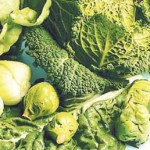
Folic acid is a vitamin that pregnant women are advised to take ideally before they are pregnant or as soon as they find out. In early stages of pregnancy, it is crucial that women take folic acid as it is used by the developing baby. It can be taken as a vitamin supplement, but can also be found in foods such as spinach, sprouts, broccoli, and potatoes. If folic acid is taken in early pregnancy, the risk of having a baby born with problems such as spina bifida or a spinal cord problem is reduced. It can also reduce the risk of having a premature labour. For most women the recommended does is 400 micrograms (0.4 mg) a day, and you should continue to take the supplement in the first 12 weeks of your pregnancy. A balanced diet that is rich in foods containing folic acid is also advised through out the pregnancy.
Should I avoid caffeine while pregnant?
Experts recommend that pregnant women limit the amount of caffeine they drink each day. Women consuming high levels of caffeine during their pregnancy can result in their baby having a low birth weight or even miscarriage. It is recommended that you do not have more than 200mg of caffeine a day, which is approximately two mugs of instant coffee, one mug of filter coffee, two mugs of tea, five cans of cola, and four 50g bars of chocolate.
What to pack in your hospital bag?
Just in case your baby decides to make an early arrival, midwifes recommend that you have your hospital bag packed and ready around week 33 of your pregnancy. They also advise to have a bag for yourself, and one for your baby, so that you can avoid rummaging around every time you need something.
What to pack for mum to be:
- Hospital notes and birth plan
- Disposable pants
- Maternity sanitary pads
- Two long T-shirts or old nightdresses to wear for labour
- Socks (cold feet are a common complaint)
- Slippers
- A lightweight dressing gown
- Lip balm to prevent dry lips in labour (another common complaint)
- Toiletries including a towel and hairbrush
- Healthy snacks and water/juice
- Nursing bra and breastpads
- Some loose change
- Going home outfit (but still maternity clothes at this stage!)
- A camera and spare batteries (and film if it’s not digital)
- An MP3 player
- A few books/magazines
For your newborn:
- A pack of newborn nappies
- A pack of cotton wool balls for nappy changes
- A towel
- Vests
- Sleep suits
- A cardigan
- Socks
- Hat
- Blanket (plus coat if it’s winter)
- A few muslin cloths
- A pack of disposable bibs or cloth bibs
Baby Bottles Banned
A potentially harmful chemical which is commonly found in plastic baby feeding bottles is set to be banned from manufacture in 2011. Similar bans have been imposed in other countries after tests showed Bisphenol A (BPA) can leach from bottles into baby milk with damaging results.There is no hard evidence that it can harm humans but will be banned from baby bottles from March 2011 as a precaution.Tests show that humans are exposed to only tiny amounts of BPA. Most of this is in food which the body easily breaks down and excretes BPA.