Category Archives: General Advice

Going away this summer with a new baby?

Planning to travel for the holidays? Here’s a quick list of 8 things to consider. View the full article here.

Plan ahead.
Use lists and calendars to help you stay organized.
Start packing a week or two ahead of time.
Pack a carry-on bag for baby.
If flying, book early and try to get direct flights whenever possible.
Consider your baby’s schedule when flying.
Know the rules, especially for airline carry-ons.
Give yourself plenty of time.

Even under the best of circumstances, air travel can be stressful. Packing, arriving at the airport on time, getting through security, and dealing with flight delays can wear on you. Add a baby to the scenario, and it’s even more of a struggle. But proper preparation can ease the process for both you and your baby.
ADVANCE PREPARATION
The best approach for parents flying with infants is to start preparing early. The Transportation Security Administration (TSA) has strict rules for air travelers, especially those with babies and children, and many airlines tack on a few of their own.
Check with your carrier. It will make your trip much easier if you understand and follow the rules.
Choosing Your Flight
• Whether you are traveling alone or with children, you should prebook your flight as far in advance as possible. In addition to the cost savings, having seat assignments made and boarding passes printed off from your home computer before you leave will save lots of time and hassle when you reach the airport.
• It’s not easy getting through to airlines by phone these days, but it is a good idea to call the airline you plan to use and ask questions. The best airfares tend to be online, so do your research before you call. They may match the price for you, but be aware that some airlines charge a premium for booking by phone.
• Let the airline know you are traveling with an infant. They might offer a discount if you are purchasing an extra seat
for the baby. You will need to reserve a window seat and bring your own FAA-approved car seat for the baby.
(See “Packing” below.)
• Traveling with the baby on your lap? For safety reasons, we don’t recommend this option but, if you must, consider bringing along a comfortable baby sling for added comfort and security. Be sure to check with your airline carrier first, since some restrict using these in flight.
• Although it’s not all that common unless you are traveling internationally, you may still need a ticket for a baby you hold on your lap.
• Check to see if the airline will offer an infant luggage allowance. You’ll need it, especially if you are bringing along a stroller. Some airlines charge a pretty hefty fee for extra checked luggage.
• Consider your baby’s routine, and try to avoid connecting flights. If you are traveling internationally across time zones, you might also want to try to start adjusting your baby’s schedule slowly several days before you fly.
• You might want to check the on-time records of the airlines and flights you are considering through an online tool like FlightStats.com, which also offers great information about real-time airport and flight status.
• Don’t panic if you aren’t able to book your seats—or at least not the seats you want. Just plan to check in with the ticketing or gate agent at the airport when you get there.

Packing
• Start jotting down your packing list well in advance and count on making adjustments. Last minute packing leads to lots of stress and forgotten necessities.
• For items such as clothing, food and diapers, consider whether you will have access to laundry facilities and stores at your destination, as well as the length of your stay.
• If possible, leave those bulky items at home. Check into whether you can rent strollers at your destination, and ask about getting a playard or crib when you make your hotel reservation. One exception is the car seat. Because you can’t be assured of the quality and you can’t always tell whether a used or rental car seat may have been damaged or in an accident, you could be putting your baby’s safety at risk.
• Pack a small carry-on bag of essentials that will fit in front of your seat for easy access. Include diapers, wipes, a blanket, a change of clothes, food, and a plastic bag for trash and dirty diapers. Add some extras (especially diapers) in case of delays or cancellations, as well as a few first aid items.
• You will need to check your stroller, so bring a sturdy bag to protect it from the rest of the cargo. You can usually keep your stroller while in the airport if you want, but you may not have time to put it in its protective cover if you gate-check it. Consider checking it upon arrival at the airport and switching to a baby sling instead.
• If you are planning to use a car seat on the plane, it must be clearly labeled as FAA approved for air travel. Car seats can be cumbersome and difficult to install, and flight attendants are not allowed for liability reasons to help you. Be sure to carefully review your manufacturer’s instructions before the trip.
• If you haven’t purchased an extra ticket and the flight isn’t full, you may be allowed to take your FAA-approved car seat onboard and use it in a spare seat.
• Plan for yourself, too! Wear shoes that you can easily slip off and on at security and loose fitting, comfortable clothes. Bring a change of clothes in case the baby makes a mess, and pack some snacks like protein bars or fruit for a healthy pick-me-up.
AT THE AIRPORT
On average, it is recommended that you arrive at the airport at least 2 hours before check-in. Depending on the airport, weather, time of day, and other variables, the time it takes you to go through security can be much shorter—or longer.
Since you will be traveling with extra “gear,” do yourself a favor and give yourself the extra time. It will be much easier on you and the little one to wait awhile longer at the gate than get bogged down at security and risk missing your flight.
Checking In
Even if you printed your boarding passes at home, you will still need to check your bags. There are three ways to do this:
• Check them with a skycap, usually your quickest option. Many airports now charge a fee for this service or recommend a tip of $2 per checked item.
• See an agent at the ticket counter. Factor in time for potential lines. This is separate from the security check-in. This is a good option if you have last minute questions, and want to get or change your seat assignment. (You can also do this at the gate if you use the skycap or self-serve.)
• Self-serve kiosks. Although these are quick and convenient when traveling light, they can be the least attractive option for traveling with a baby, because you will still be responsible for taking your own check-in luggage to the x-ray area.
(continued on next page)
Essential Paperwork
• Make sure the baby is covered under your travel insurance.
• If you are traveling without the other parent, get written permission to do so. It’s also a good idea to carry a copy of the baby’s birth certificate or some other form of identification with you that proves you are the parent or
legal guardian.
10 quick and easy breakfast’s for kids!

1.  Marcus Samuelsson’s Avocado-Banana Smoothies
A filling, nutrient-packed smoothie inspired by traditional Indian lassi makes a delicious breakfast drink, even when it’s served in a to-go cup!

2.  Banana Dog Bites
Nothing’s quite like that classic combo of banana and peanut butter, and these Banana Dog Bites from Weelicious add a fun twist that kids are sure to love.

3.  Celery and Blueberry Smoothie
Disguise veggies in this celery and blueberry smoothie from Victoria Boutenko’s Green For Life. It’s packed with antioxidants and rich in potassium, vitamin C, vitamin K, manganese, and fiber.

4. Mini Blueberry Lemon Muffins
For a light bite, The Kitchn’s mini blueberry lemon muffins are the perfect size to satisfy little bellies.

5.  Breakfast Quesadillas
What kid wouldn’t love the idea of Mexican food in the morning? Weelicious’s Breakfast Quesadillasrequire just three basic ingredients, and are a great way to spice up the AM routine.

6.  Green Egg Muffins
These little egg muffins are somewhere between frittatas and quiches, filled with healthy ingredients like kale and herbs, and are even gluten-free.

7.  The 5-Minute Granola Bar
These fuel-filled granola bars take just minutes to make and can easily be adapted with a variety of fruit, nut, and grain additions — a great grab-and-go option for on-the-run kids (and their parents!).

8.  Buckwheat Waffles
It’s hard to believe that these buckwheat waffles are also vegan and gluten-free. Top with bananas, berries, or peanut butter for a satisfying morning meal.

9.  Muffin Tin Bacon and Eggs
Pack an entire meal into a muffin tin with this hearty, savory recipe from Muffin Tin Chef.

10.  Peanut Butter and Jelly Pancake Sandwiches
For a new spin on an old favorite, layer PB&J between two silver-dollar-size pancakes. Bring along some Wet Ones — this could get sticky!

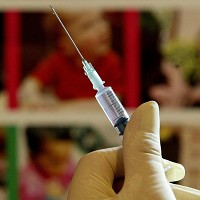
Warm babies ‘suffer less jab pain’

Making sure a baby is warm whilst receiving an injection might be a better way of reducing pain than the methods currently used by doctors.

Keeping a baby warm before an injection has a better effect than either giving them a dummy or a sugar pill beforehand.

The small trial was carried out at the University of Chicago Comer Children’s Hospital, where 47 healthy newborns were split into the three groups before their hepatitis B vaccination.

Researchers assessed the babies heart rates and also how much they cried and grimaced after the injections, with the finding that the newborns who were warmed stopping crying and grimacing earlier than both other groups.

Almost a quarter of warmed babies did not cry at all whereas all of those given sugar did cry, with researchers concluding that the warming method was “natural, easy and performed better”.

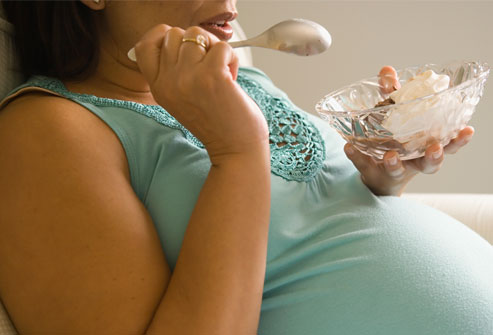
Tiredness Whilst Pregnant

Why am I so tired now that I’m pregnant?

It’s completely normal to feel tired during pregnancy. Your body is working extremely hard to develop and grow your baby.

Weariness and exhaustion are very common in pregnancy, especially in the first few months, as your body is adjusting to rapidly changing hormone levels.

In the second trimester you may feel less tired, though if you’re working or have a busy family life, you’ll have a lot on your plate and will feel tired as a result.

As you approach your due date, the tiredness will probably return, because your increased weight places extra strain on your body. This may mean you’re not sleeping well at night.

How can I prevent and reduce tiredness?
If you are tired, rest when you can. If you are at home with small children, try to rest with your feet up while they have a nap during the day.

Healthy eating will help you to combat tiredness, though this may not be easy if you have pregnancy sickness. Each meal should include plenty of fruit and vegetables and starchy wholegrains, as well as some lean protein and low-fat dairy. This will provide your body with the nutrients that you and your baby need.

Drink plenty of water to avoid becoming dehydrated. Not taking in enough fluid can add to your tiredness and cause headaches.

Keep your blood sugar at a reasonably constant level to avoid hypoglycaemia (low blood sugar), which may make you feel drained. Eat small meals frequently and try not to skip any meals, especially breakfast. Keep a snack with you when you start to feel tired, such as a banana or some savoury crackers.

Eat foods which are high in iron to prevent anaemia. Being short of iron will make you even more tired than you are already feeling. Dark green vegetables, a small amount of red meat, blackcurrants and dried apricots are good sources of iron.

At work, move away from your desk at lunchtime, have something to eat and drink and get some fresh air. If your job allows you some flexibility, consider working from home for one day a week, or suggest a change in hours so you can do your job when you’re most alert.

Ask for help from your family with any housework, and don’t worry about non-essential cleaning. You could motivate older children by giving them small rewards for emptying the dishwasher, vacuuming or taking the dog for a walk.

Getting fresh air and exercise during the day will relieve fatigue. Yoga or relaxation exercises can help, or have a stroll in the garden or in your local park. You could also attend gentle exercise classes such as pilates, qigong or tai chi.

Tai chi in particular may reduce lower back pain. And if you have fewer aches and pains, you’ll feel less tired.

Enjoy a relaxing bath with a maximum of three drops of aromatherapy essential oils such as lavender, grapefruit or bergamot. Lavender oil is safe in the first trimester if you use no more than three drops at a time, but don’t use it every night.

Which complementary therapies are worth trying?
Many complementary therapies promote relaxation, especially when taken as a course of treatments with a qualified, registered practitioner.

Massage, aromatherapy, reflexology and shiatsu are good options. Acupuncture stimulates the release of feel-good chemicals in your brain, which will help to address excessive tiredness.

If you are very stressed or have particular emotional issues, hypnotherapy may be worth considering.

Healthy eating for when you are pregnant

Eat this, don’t eat that — when you’re pregnant, it seems everyone has advice on what you should and should not munch on. Here, simple guidelines from the experts to help you choose what to eat.
Healthy eating for when you are pregnant

Pregnancy is such an exciting time, but also a time when you can feel quite overwhelmed by what people say you should, or should not, be doing.

Hopefully this article will reassure you about healthy eating during pregnancy, providing you with information, advice and suggestions in small ‘bite sized’ pieces!

What you eat not only influences your own health but it can also affect the short and long term health of your baby, so it’s worth taking a bit of time to think about it.

You should still eat a healthy diet based on the food pyramid; at least 6 portions of starchy foods (bread, cereal, pasta and rice), 5 servings or more of fruit and vegetables, 2-3 portions of meat, fish and other protein sources, and 5 portions of dairy products such as milk, yoghurt and cheese. There are also a few nutrients that need particular attention when pregnant.

DO

• Do take at least 400 micrograms of folic acid a day while you’re trying to get pregnant and during the first 12 weeks of pregnancy. Important Irish research has shown that folic acid reduces the risk of your baby being born with a neural tube defect such as spina bifida. Folic acid tablets are widely available from chemists and supermarkets nationwide. Don’t worry if you get pregnant unexpectedly and were not taking folic acid supplements. Start taking them, as soon as you find out, until the end of the 12th week of pregnancy. As well as taking your folic acid supplement include plenty of foods rich in folate (the natural form of folic acid) such as green leafy vegetables, fruit and wholegrains. Remember though, these don’t take the place of folic acid tablets.

• Do make sure you take enough calcium containing foods. Milk and other dairy products (e.g. yoghurt, hard cheese) provide calcium which your baby needs for its developing bones. Take 5 portions of dairy foods a day. A portion is any of the following:

• 1/3 of a pint of milk or

• 1 carton of yogurt or

• 1 oz of cheese

Remember, milk used on cereal or in cooking such as white sauce, do count. To prevent excess weight gain, choose low fat or skimmed varieties of dairy products as they have just the same amount of calcium as the higher fat alternatives.

• Do make sure you get enough vitamin D as it is needed during pregnancy for the bones of you and your baby. Your body makes vitamin D from exposure to sunlight. If you have dark skin or always cover your skin, you may be at particular risk of vitamin D deficiency and need to take a 10-microgram supplement of vitamin D each day.

• Do make sure you don’t get anaemic. Iron is especially important in pregnancy to make the increasing amount of blood you will be making for you and the baby. If you eat meat, try to include lean red meat four or five times per week. Your midwife can advise you whether you need to take an iron supplement.

DON’T

x Don’t drink alcohol! When you drink alcohol it passes to your baby through the placenta. Too much exposure to alcohol can seriously affect your baby’s development.

x Don’t take supplements containing vitamin A during your pregnancy as too much vitamin A can be harmful to your baby. Multivitamins and fish liver oils such as cod liver oil should be avoided as should liver or products that contain it, such as paté, as liver contains a lot of vitamin A.

x Don’t eat for two! Many women get confused about how much weight gain is healthy during pregnancy. Be guided by your appetite and if you feel hungry between meals, choose a healthy snack such as fruit, yoghurt or a bowl of cereal. A lot of women in Ireland go into pregnancy overweight or obese and this can lead to problems for the pregnancy and in the amount of intervention required during labour as well as your ability to get back on your feet quickly afterwards. It’s really worth trying to get into shape before you get pregnant or at least make sure not to put on excessive weight during pregnancy. However it is not advisable to try to lose weight during pregnancy, as this can affect your baby’s weight and may stop you from getting all the nutrients that you both need. A healthy weight gain for a pregnancy is 2 stone but for those who are overweight going into pregnancy it might be sensible to keep pregnancy weight gain to about 1 stone (about 6kg).

x Don’t drink excessive caffeine. Caffeine found in tea, coffee, energy drinks and chocolate can also have an effect on your baby if you take too much. A good idea is to try to take decaffeinated versions of tea, coffee and cola for the first 3 months of pregnancy and then not more than one or 2 cups of caffeine containing drinks a day thereafter.

Tips for eating safely when pregnant

When pregnant there are certain foods that you should avoid to minimise the chance of you getting a foodborne illness that could affect you and your baby.

• Cook eggs thoroughly until the whites and yolks are solid. Avoid any foods that contain raw or lightly cooked eggs, such as home-made mayonnaise, sauces and puddings.

• Make sure that all meats are cooked thoroughly. This is especially important with poultry (such as chicken and turkey) and food made from minced meat (such as burgers and sausages).

• Wash fruit, vegetables and salads to remove all traces of soil.

• Heat ready meals until they’re very hot all the way through. This is especially important for meals that contain poultry.

• Avoid mould-ripened soft cheese, such as brie and camembert, or blue cheese. You can eat hard cheeses (e.g. cheddar, edam), cottage cheese, mozzarella, and processed cheese (such as cheese spread).

• Don’t eat any kind of paté, including vegetable paté, because it can contain listeria.

• To prevent illness during pregnancy it is important to observe good food hygiene. Make sure to thoroughly wash your hands, utensils and work surfaces after handling raw meat. It may contain bacteria, which can cause food poisoning.

Myths

Spinach isn’t high in iron! You are often advised to increase your iron intake during pregnancy, especially in the second trimester when your blood volume increases. Don’t be depending on spinach for your extra iron, many years ago when the nutritional content of spinach was published the decimal place was put in the wrong place and forever more people thought it was a brilliant source of iron! Neither is stout high in iron. Many years ago new mothers were encouraged to take a glass of Guinness. The best way to make sure you eat enough iron is to include lean red meat in your diet at least 3-4 times per week. If you are a vegetarian try to take a source of vitamin C such as an orange or kiwi with bread and cereals as it helps to absorb the type of iron found in these foods. Also try to cut down on your tea intake as the tannin in tea can reduce the absorption of iron from bread, cereal and vegetable sources.

Previously women were advised to avoid eating peanuts during pregnancy if there was a history of allergy (such as asthma, eczema, hay fever or food allergy) in their baby’s immediate family, but the latest research shows that there is no clear evidence that eating peanuts during pregnancy affects the chances of your baby developing a peanut allergy. If you have any queries, talk to your GP, Midwife or Public Health Nurse or gynecologist/obstetrician.

You don’t need to eat a lot more when you are pregnant. For the first 3 months in fact you don’t need any extra food, and for the remainder of your pregnancy you only need a small amount more than you would eat normally, , the amount you would get from a couple of slices of toast, or bowl of cereal. The best way is to be guided by your appetite.

There is no evidence that cravings during pregnancy are encouraging you to eat the nutrients you need, otherwise we would all be craving fruit and vegetables and not chocolate! Cravings are probably harmless unless they very much impact on your intake or you are craving to eat non-food stuffs in which case you need to speak to a health professional.