Category Archives: General Advice

Learn and experience the outdoors with your toddler

Playing outdoors is great fun and has health benefits for all ages and with studies showing modern toddlers and children spend more time than ever inside the importance of outdoor education and play should be taken seriously by parents and teachers alike.

Play some games

The countryside provides a wealth of free entertainment. Even if you live in a city you won’t have to go far to find some kind of green space. Hide and seek, scavenger hunts and ball games are great opportunities for families to spend time together and everyone can get some exercise without noticing the effort.

All these games can be used to learn as well. Give clues to scavenger hunt games or hunt for types of tree, count with ball games or use treasure maps to guide each other to hiding places. A simple walk in a park or across the local countryside can be filled with opportunities to learn. Identify animals and plants or look out for signs of the season. Everyone learns better if they actually experience things; you are far more likely to remember a bird if you see it flying and hear its song than if you just see a picture.

Make a difference

Most councils, local branches of the National Trust and other such organisations will have a range of projects going on year round that they always need help with. Clearing pathways and ponds or building fences and tracks can be great fun, as well as providing good exercise. You will also be mixing with people who have a great knowledge of the work you are doing and the natural surroundings as a whole, which gives older children an excellent way to chat to experts as well as doing something worthwhile and getting a sense of achievement.

Try a craft

Lots of countryside centres and nature reserves have a visitors centre and hold courses and workshops that let you have a go at all sorts of arts and crafts. Try basket weaving or whittling wood, make your own cider or elderflower cordial by hand using methods that have been around for years and have something to show for your efforts. Have a go at building a kite and see if you can make it fly, or make boats and race them on a stream or pond. With a bit of imagination there is a wealth of possibilities for fun and learning something new.

Bouncing on a playground toyTake some risks

Climbing trees and building forts can make great kids days out. Obviously safety is important but with sensible precautions you can help children build confidence in their abilities. Rock climbing with qualified teachers is a good way to climb in reasonable safety, by doing seemingly risky activities children also learn about assessing dangers and keeping themselves safe. Water sports such as canoeing or even just pond dipping can instil a respect for water safety and learning about animals and plants helps build awareness of the world and its other inhabitants.

Getting some fresh air and having some fun is a great way for families and friends to bond and teachers will find it easy to educate a class of happy children who are enjoying themselves. So, get outside, explore the world, stretch your muscles and learn a thing or two in the process.
Could you be the next mum or dad entrepreneur?

If you’ve ever watched BBC’s Dragon’s Den and thought: “I have a fabulous product idea just like that, but don’t know how to develop it!” – the Baby Products Association’s Concept & Innovation Awards could be just the opening you are looking for!

The nursery industry probably attracts more new products ideas each year than any other industry sector and one reason could be that whatever their qualifications or vocation, most people have children at some point in their lives – and that’s where the seed of innovation is often sown.

The BPA’s Concept & Innovation Awards are free to enter and open to all (not just mums and dads!). The only rule is that your creation must either be in the concept or early development stage and must not be available for sale prior to 1st April 2013.

The Concept Award acknowledges products in their visionary phase, so you may just have a drawing or diagram, whilst the Innovation Award is for ideas which have moved further forward and been developed to a potential production stage. Anything will be considered as long as it is for maternity, babies and children under five years – so it could be equipment such as prams, highchairs, nursery furniture or safety equipment; toys, gifts, audio or books and any such related accessories.

The deadline for entry is 19th November 2012 and a shortlist of entries will be selected by judges. These entrants will be invited to present to the judging panel and finalists will be asked to exhibit their product at Harrogate Nursery Fair – the UK’s only nursery trade show – in March 2013, where the winners will be announced.

More information and a downloadable application form can be found on the BPA website at: www.thebpa.eu or contact Julie James at the BPA on 0845 456 9570 or email: info@b-p-a.org

10 Apps great for Toddlers!

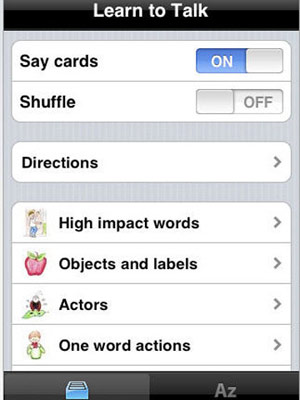
1. Learn To Talk

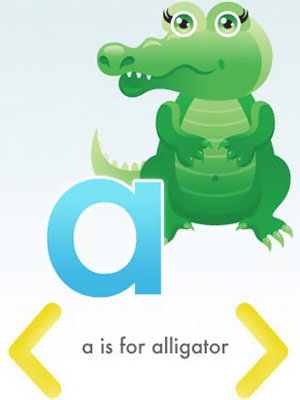
Learn to Talk uses flash cards to facilitate language development in one- to three-year-old children. It uses both sight and sound to teach toddlers basic vocabulary and early language skills.


2. Parents Flash Cards

Parents brings moms, dads and children an iPhone application to entertain and stimulate learning with Parents Flash Cards. The application comes with different packs such as colors, shapes, letters, and numbers. Each pack contains multiple game types, including flashcards, quizzes, and tracing, to make this perfect for a baby, toddler, or preschooler.

3. Peekaboo Barn

Peekaboo Barn is a barn adventure that makes learning fun for your toddler. It teaches the names of barn animals in either English or Spanish as well as the sounds each makes.


4.Bubbles

The Bubbles application is made for toddlers who need a fun distraction. It brings the simple pleasure of popping bubbles to your phone.


5. Where’s Gumbo?

Where’s Gumbo? Your child will be asked to find Gumbo, a lost dog. The application takes an adventurer through clues to find him.


6.Bumblebee Touchbook

Bumblebee Touchbook offers a fun way to help your child learn to read. Animation and narration of words and sentences creates a fun and educational way to occupy your toddler’s time while still helping them learn.


7. Curious George Coloring Book

There’s no clean-up after your child colors with the Curious George Coloring book! This application includes over 40 unique coloring pages to choose from. You can store your child’s artwork in a gallery to use or e-mail it to friends and family later.


8. Wheels on the Bus

Wheels on the Bus is a fun, interactive musical book based on the popular children’s song. When you climb on the bus, you can spin the wheels, open and close the doors, swish the wipers and pop some bubbles.


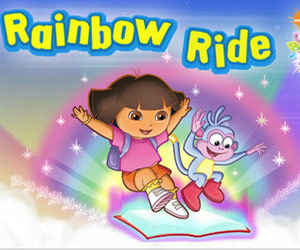
9. Dora Saves the Crystal Kingdom – Rainbow Ride

Join Dora on an easy-to-play adventure in which you tilt your phone left and right to steer Dora along a twisty rainbow slide and collect crystals. Kids can also explore their creativity with a coloring book application within the game.


10.Toddler Teasers Quizzing

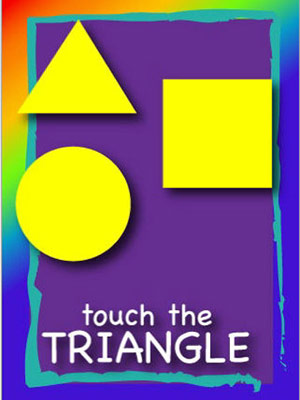
Toddler Teasers Quizzing offers four quizzes to test preschool-age children on letters, numbers, colors, and shapes. The game is different each time you play and as your toddler progresses, the levels get harder with more possible answers

Tummy Time

In recent years parents have been told the importance of putting babies on their backs to sleep.

We now know that this is the safest position for babies to sleep in, as it significantly reduces the risk of cot death or Sudden Infant Death Syndrome (SIDS).

However, research has shown that continually putting babies on their backs can delay the development of motor skills, essential for movement and co-ordination.  Plus, there has also been an increase in cranial asymmetry, or ‘flat head’ syndrome.  Babies’ skulls are still quite soft, and lying in the same position on their backs all the time can put pressure on the skull, causing a flattening effect.

So experts are now urging parents to give their babies ‘tummy time’ – special time set aside every day to lie on their stomachs – which can help them learn to push themselves up, roll over and eventually sit, crawl and stand.
What are the benefits of tummy time?

It strengthens their backs, arms and necks, and helps with coordination, posture and balance. Not only that, it also increases their confidence and independence.
If babies have the chance to kick and flail and to practise supporting themselves on their arms, it helps increase their motor skills.
Tummy time gives babies more opportunity to reach for and explore things around them.
Regular tummy time also helps prevent any flattening of the head, which can be caused by constantly positioning babies on their backs.

How do you do it?

Make sure your baby is awake and alert and never leave them unattended during tummy time.
Simply lie your baby on a flat, comfortable surface, face down. This can be on the floor or on a bed, but do make sure you are with them all the time.
Your baby may prefer having their arms out in front of them or out to the side so they can move them around and eventually use them to support their own weight.
You could try lying on the floor with your baby, encouraging them to lift their head and look around. Talk to and play with them, and give them plenty to look at. Try showing them a board book or putting a favourite toy just within reach.
Another tip is to place your baby face down on your stomach. That way, they can feel close to you and won’t feel bored or abandoned. This is a particularly good way to introduce tummy time to newborns.
You could also try putting them on a bed, with their head near the edge, and sit in front of them on the floor with your face close to theirs.
Try varying the way you carry your baby. Lay them face down on your forearms instead of on their back in the usual ‘cradle hold’. Some mums find that their babies actually prefer this position, as it allows them a better view of the world.
Have a go at propping your baby up on a soft pillow or blanket with their arms in front of them, while they are learning to push themselves up.

How often should you do it?

Experts suggest that parents introduce tummy time from birth. They need about 30 minutes a day, either all in one go or broken up into periods of a few minutes or so.
You could try gradually building it up, as your baby gets used to the experience of lying on their tummy.
Once baby becomes familiar with being on their front, they will enjoy the sense of independence it gives them.

What if your baby seems unhappy on their tummy?

Your baby may seem reluctant at first. Tummy time may feel unfamiliar, and before they have enough head control the effort of trying to lift the head can be hard work.
Choose a moment when your baby is happy and contented and try to make tummy time fun. It is probably best not to do it straight after a feed though, as this could be uncomfortable. A good time is when they have just woken up or after a nappy change.
It helps if you provide plenty of entertainment by smiling, chatting and making sure they can see you and feel connected to what is going on around them. Distract them with colourful toys and books.
Try taking off your baby’s socks if they are on the floor so they can grip with their toes, helping them prepare for crawling and walking.
If your baby seems really unhappy on their tummy, stop and try again later, so they don’t learn to link tummy time with feeling miserable!

Healthy Pregnancy Diet

Whilst we should all be eating a healthy, balance diet, it’s especially important when you’re trying for a baby to get all the nutrients you need.

This will also help your baby, as you’ll be giving your unborn child everything they need to develop properly in the womb. Eating healthily while pregnant has also been shown to give kids a great start to their future health prospects.
Eat lots

What: bread, cereals, potatoes, fruit, vegetables.
Why: they provide energy, fibre, vitamins and minerals.
Eat moderately

What: milk, dairy products, meat, pulses and fish (limit oily fish to two portions per week).
Why: they provide protein for growth, vitamins and minerals but too much can be fattening and cause other health issues.
Eat little

What: fat (butter, margarine, oils, cream), fried foods (crisps, chips etc), sugary foods (cakes, biscuits, sweets, soft drinks, ice cream etc).
Why: they provide energy but can make you put on weight; sugary foods lead to tooth decay.
Avoid

Medical advice in the UK is to avoid certain foods such as unpasteurised cheese, liver and undercooked eggs, so it makes sense to steer clear of these while you are trying for a baby – in case you are pregnant and don’t know it yet! You’ll probably hear friends say that they ate these foods with no problems or that the French eat them and think we’re silly – but wouldn’t you rather be safe than sorry? The reasoning behind it is that they could cause harm to a developing baby, especially in the early weeks, for example if they give you an infection such as listeria.